
Scanners
Showing 1–12 of 19 results
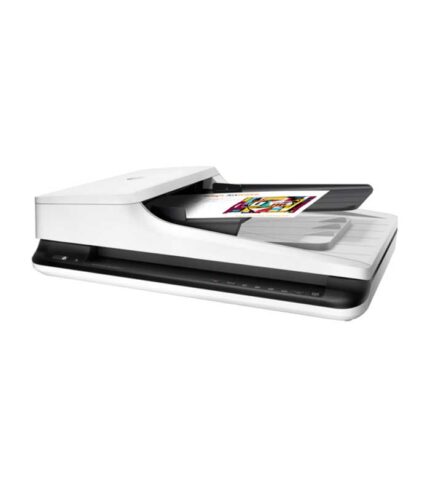
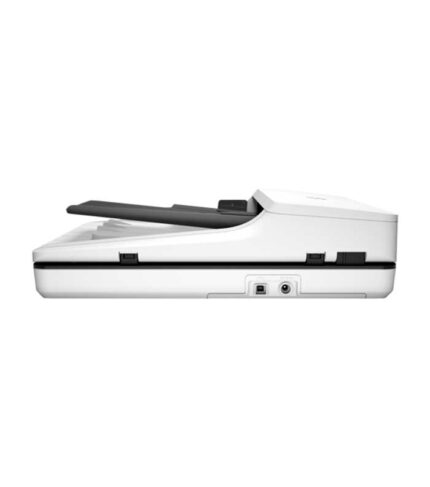
HP 2500 F1 Scanjet Pro Scanner (L2747A)
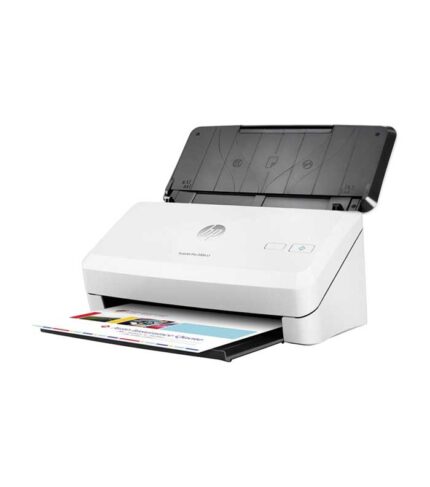
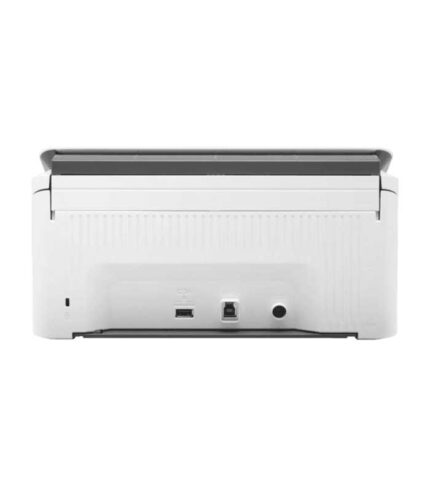
HP 3000S4 ScanJet Pro Scanner
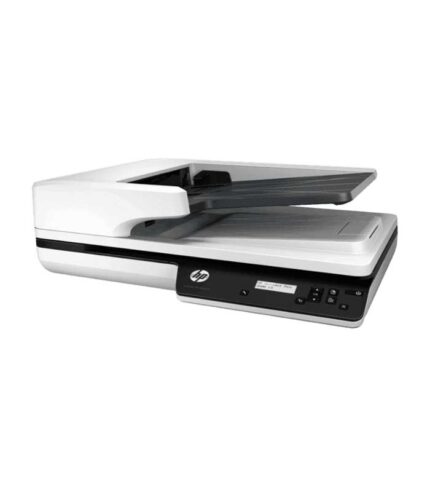
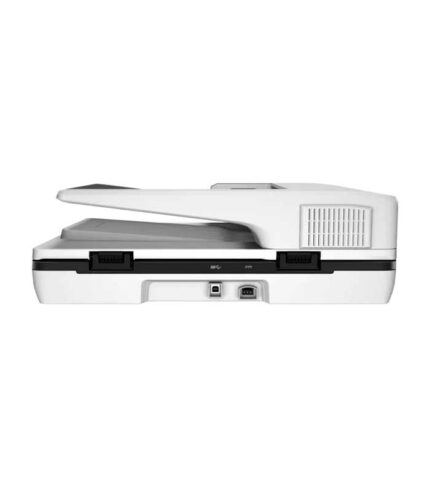
HP 3500 F1 Scanjet Pro Scanner (L2741A)
HP 3500 F1 Scanjet Pro Scanner (L2741A) can scan at 25 ppm and 50 ipm. Scanning at up to 25 pages per minute is dependable and fast. Duty cycle recommendation: 3,000 sheets are produced every day. Single-pass scanning on both sides Two-sided scanning, which captures both sides of the page in a single pass, saves time and reduces waste, Scan with confidence. Every time, capture every page and discover potential faults.
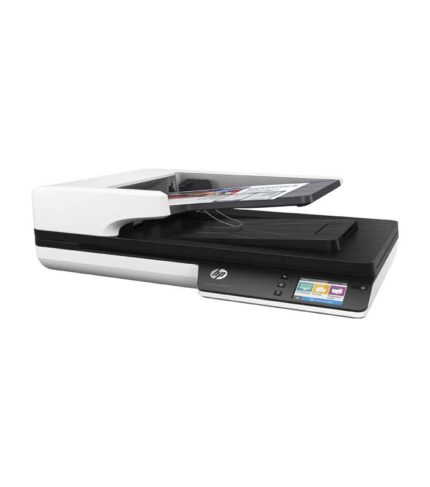
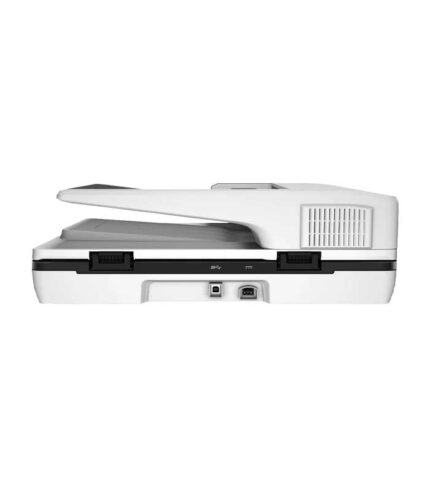
HP 4500 FN1 Scanjet Pro Network Scanner
HP 4500 FN1 Scanjet Pro Network Scanner Flatbed; ADF Up to 600 x 600 dpi (color and mono, ADF); Up to 1200 x 1200 dpi (color and mono, flatbed) Up to 30 ppm/60 ipm USB 2.0 and USB 3.0 (SuperSpeed); Built-in Fast Ethernet 10/100/1000Base-TX network port Recommended daily duty cycle: 4000 pages (ADF), 100 pages (Flatbed)
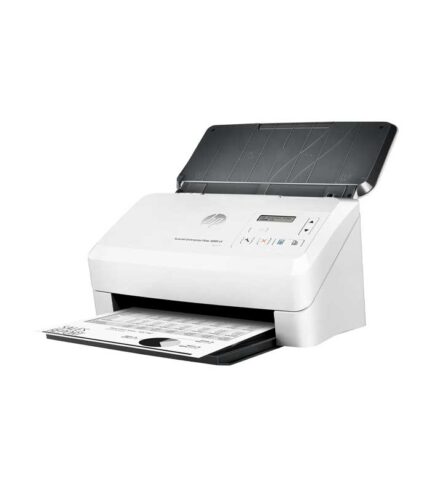
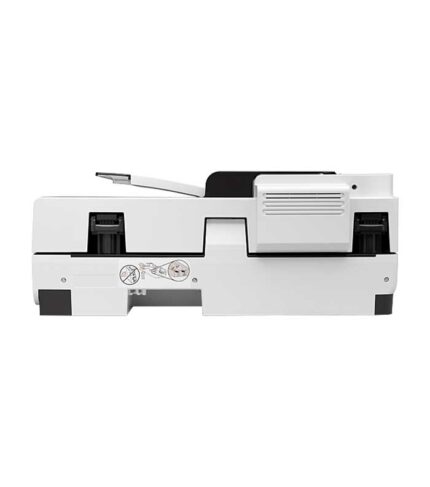
HP 5000S4 Scanjet Enterprise Scanner (E)
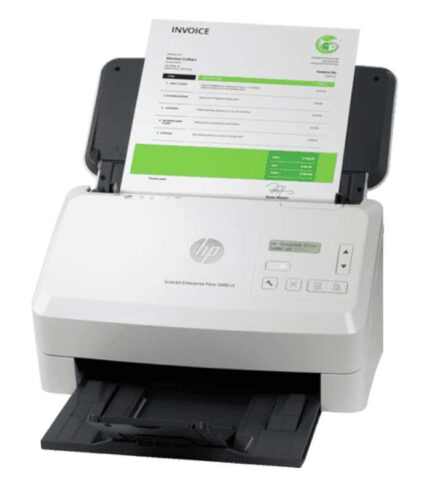
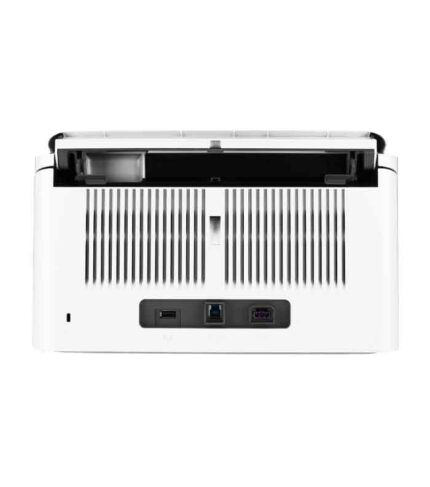
HP 5000S5 Scanjet Enterprise Sheet Feed Scanner
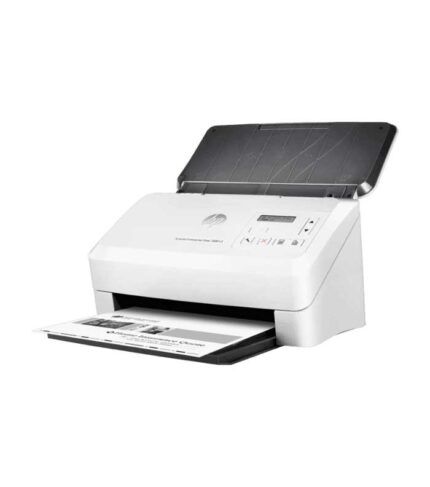
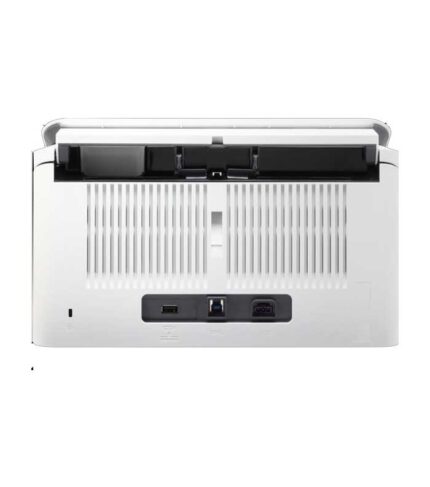
HP 7000S3 ScanJet Enterprise Flow Sheet-Feed Scanner
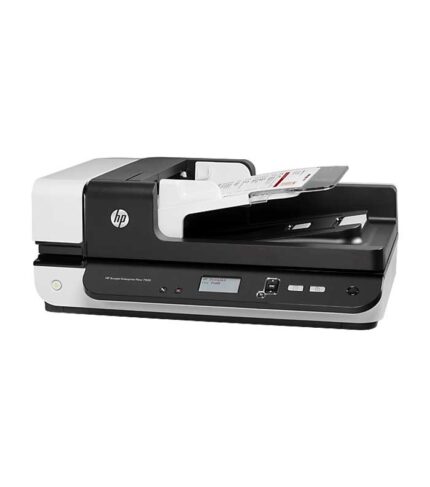
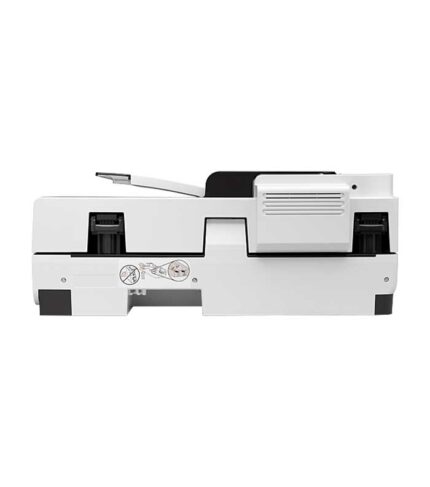
HP 7500 Scanjet Enterprise Flow Flatbed Scanner (L2725B)
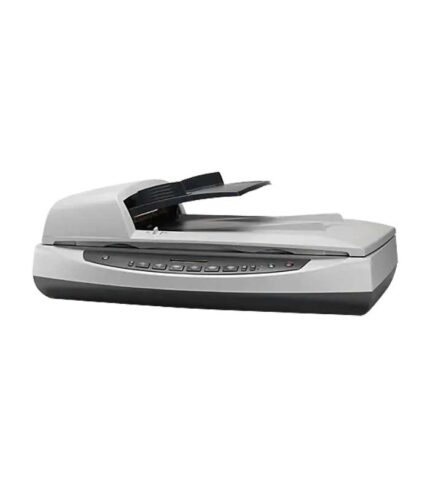
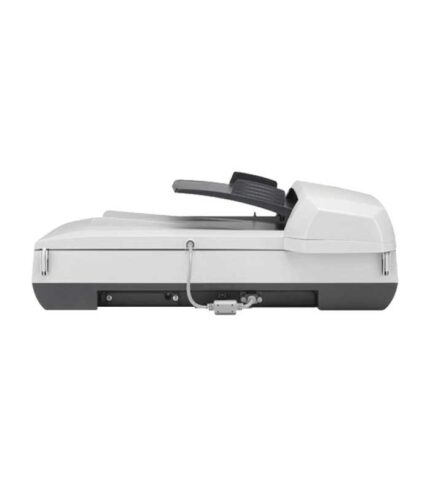
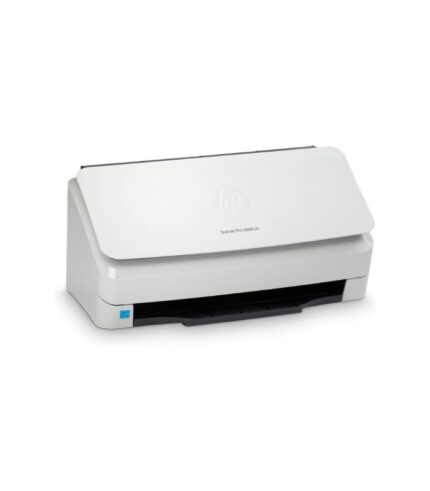
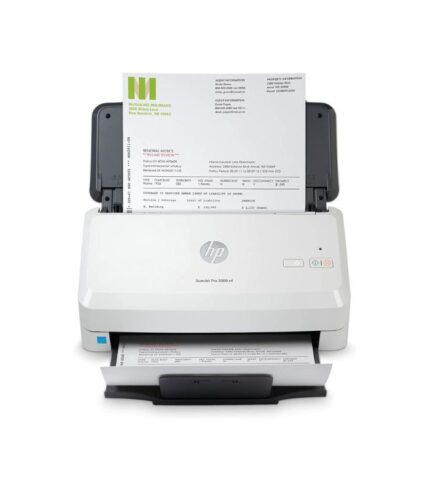
HP SCANJET 3000 S4
Built-in optical character recognition (OCR) with PDF security
Built in OCR software lets you create searchable files right from your multifunction laser printer, so you can find the document you need, when you need it.
50-page ADF
4000-page duty cycle
Designed to handle up to 4000 sheets per day
Scan to cloud
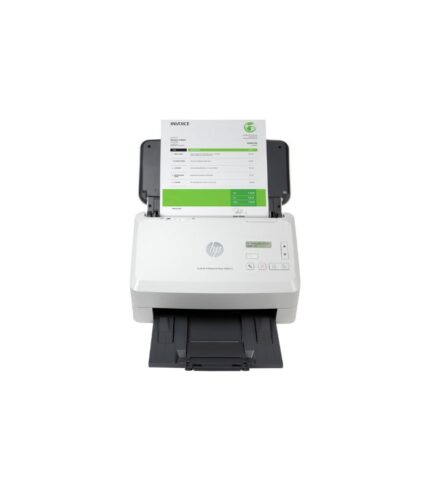
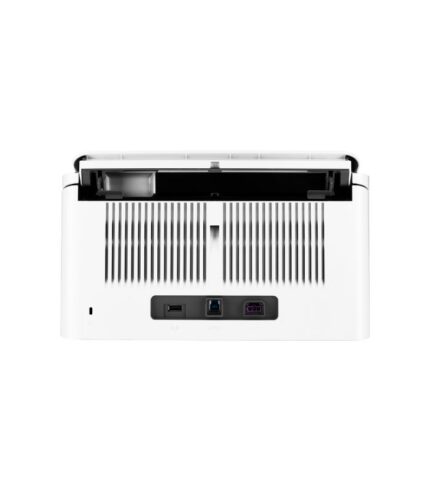
HP SCANJET 5000 S5
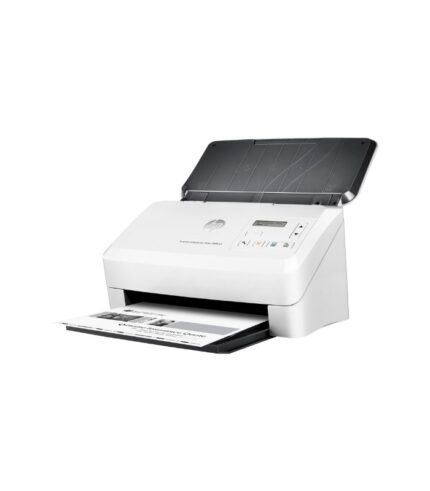
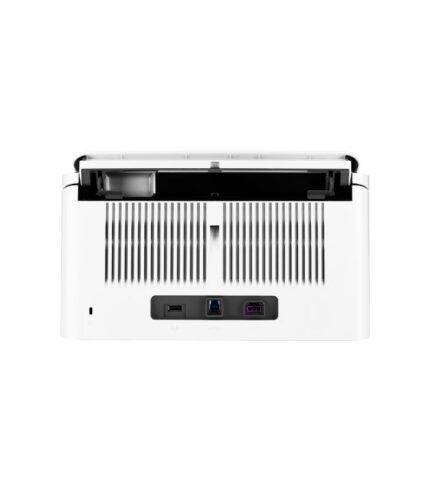
HP SCANJET 7000 S3
Online store of household appliances and electronics
Then the question arises: where’s the content? Not there yet? That’s not so bad, there’s dummy copy to the rescue. But worse, what if the fish doesn’t fit in the can, the foot’s to big for the boot? Or to small? To short sentences, to many headings, images too large for the proposed design, or too small, or they fit in but it looks iffy for reasons.
A client that’s unhappy for a reason is a problem, a client that’s unhappy though he or her can’t quite put a finger on it is worse. Chances are there wasn’t collaboration, communication, and checkpoints, there wasn’t a process agreed upon or specified with the granularity required. It’s content strategy gone awry right from the start. If that’s what you think how bout the other way around? How can you evaluate content without design? No typography, no colors, no layout, no styles, all those things that convey the important signals that go beyond the mere textual, hierarchies of information, weight, emphasis, oblique stresses, priorities, all those subtle cues that also have visual and emotional appeal to the reader.
